 Brindlewood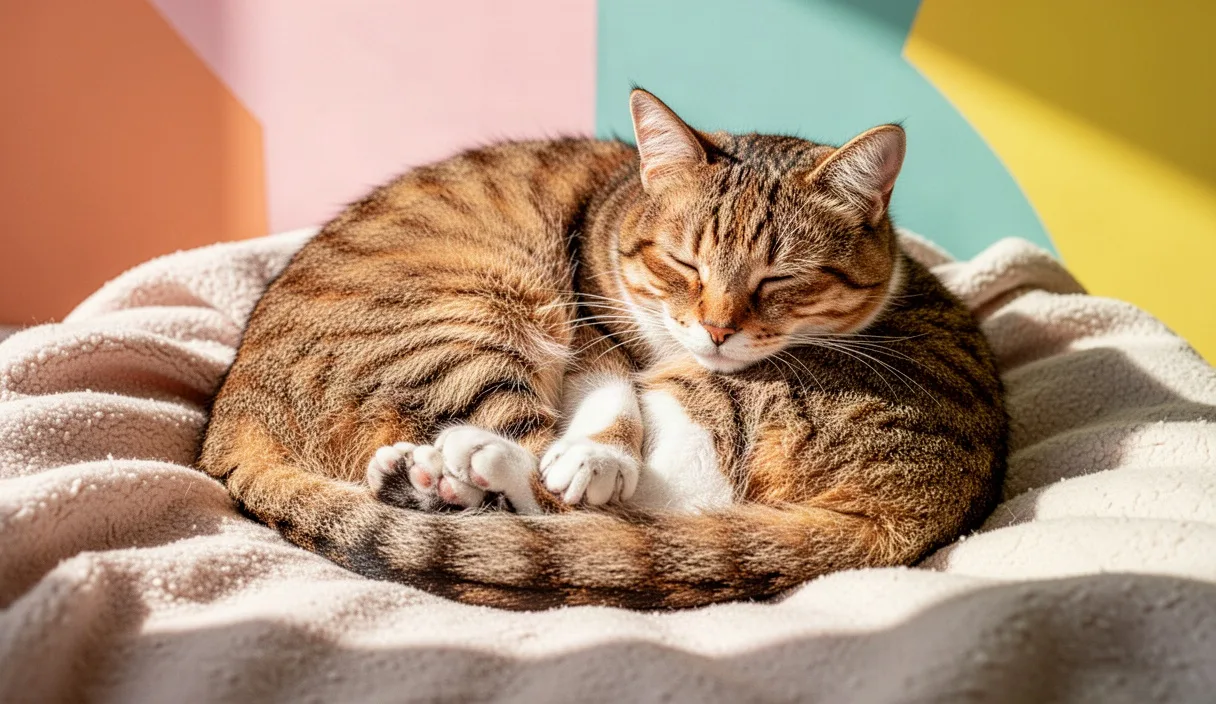
A cat kneads before it settles. Paws press down, one after another, into a blanket or a lap. The rhythm is steady. It looks deliberate, almost thoughtful.
The behavior is old. It starts in kittenhood and rarely disappears. This piece looks at where it comes from, what triggers it, and when it says something worth noticing.
The kitten origin of kneading
Kittens knead while nursing. The motion stimulates milk flow from the mother. Each paw press works like a small pump.
The action is instinctive, not learned. A kitten does not watch another cat and copy the motion. It simply arrives with the behavior already wired in.
Some researchers link kneading to early bonding. The kitten kneads, the mother produces milk, and the two stay close during feeding. The behavior gets tied to safety long before it gets tied to comfort.
This early association matters later. The paw motion becomes shorthand for a state, not just an action tied to nursing.
Why the behavior continues into adulthood
Most adult cats still knead. The nursing purpose is gone, but the motion stays.
One common explanation: the behavior gets rewired into a comfort signal. The cat is not asking for milk. It is recreating a state it once felt during feeding, security paired with warmth.
Another explanation points to scent glands in the paws. Kneading presses these glands against a surface, leaving a scent mark. The cat may be marking territory without any awareness of doing so.
Both explanations can be true at once. A behavior can serve more than one purpose over a cat's life.
- Comfort-seeking: recreating a nursing-era feeling of safety.
- Scent-marking: depositing pheromones from paw pads.
- Pre-sleep ritual: a fixed motion before settling, similar to circling before lying down.
None of these require the cat to be distressed. Kneading in adulthood is usually a neutral, even positive, behavior.
Common triggers: blankets, laps, soft surfaces
Texture seems to matter more than location. Cats knead blankets, cushions, laps, and sometimes stuffed toys.
Soft, pliable surfaces get kneaded more than hard ones. A wool blanket invites more kneading than a wooden floor.
Warmth adds to the pull. A lap radiates heat. A sun-warmed blanket does too. Cats often knead right before curling up in these spots.
| Surface | Typical kneading frequency | Possible reason |
|---|---|---|
| Wool or fleece blankets | High | Soft texture, holds warmth |
| Human lap | High | Warmth, close contact with owner |
| Couch cushions | Medium | Soft, but less warmth than a lap |
| Cat bed with plush lining | Medium to high | Familiar scent, soft material |
| Hard floor | Low | No give, little warmth |
Some cats knead the same object every time, a favorite blanket, for example. Others knead almost anything soft nearby.
When kneading is just comfort
Most kneading falls into a plain category: comfort. The cat is relaxed, purring, eyes half-closed.
The motion often comes before sleep. The cat kneads, circles once or twice, then lies down. The whole sequence can take under a minute.
Signs that kneading is simple comfort include a loose body, slow blinking, and a soft or silent purr. The cat's ears sit forward or relaxed, not flattened.
In this state, kneading needs no response from an owner beyond staying still and letting it happen. Interrupting it does not harm the cat, but it does end a moment the cat seems to enjoy.
When it's paired with other signs worth watching
Kneading alone rarely signals a problem. Paired with other behaviors, it can be worth a closer look.
Excessive kneading combined with sucking on fabric may point to early weaning or stress from being separated from a mother too soon. This pattern is more common in cats adopted very young.
Kneading paired with sudden vocalization, pacing, or refusal to settle can suggest anxiety rather than comfort. The paw motion looks similar, but the surrounding behavior differs.
- Comfort kneading: slow, rhythmic, paired with purring and relaxed posture.
- Anxious kneading: faster, paired with tense body language, tail flicking, or vocal distress.
- Compulsive kneading: repeated for long stretches, resistant to interruption, sometimes paired with fabric sucking.
A cat that kneads and then cannot settle, repeating the motion over and over without resting, may be showing a compulsive pattern. This is not common, but it is not rare either.
If kneading becomes frantic, constant, or paired with weight loss, hair pulling, or skin irritation from the claws, a veterinary behaviorist should be consulted. This is not something to diagnose alone.
How owners typically respond to it
Most owners let kneading happen without interference. The motion is brief and rarely destructive on soft materials.
Some owners place a blanket on their lap specifically for this purpose, protecting skin or clothing from claws. This is a common, low-effort solution.
Claw trims reduce the discomfort of kneading on bare skin. A trim every two to three weeks keeps nails blunt enough to press without scratching.
- Offer a dedicated soft object, a blanket or folded towel, kept in a regular spot.
- Trim claws on a consistent schedule if kneading happens on skin.
- Avoid pulling the cat away mid-motion; let the cycle finish naturally.
- Watch for context, is the cat calm, or is something else going on.
Owners who redirect kneading toward a specific object often find the cat returns to that object each time. Cats build small habits around comfort behaviors quickly.
Common mistakes
One mistake is assuming all kneading means the same thing. Context changes the meaning.
Another is punishing the behavior. Kneading is not misbehavior. Punishment adds stress without solving anything.
A third mistake is ignoring paired signs. A cat that kneads and also shows appetite changes deserves attention beyond the kneading itself.
A fourth mistake is over-interpreting a single instance. One session of vigorous kneading is rarely meaningful on its own. Patterns over days or weeks matter more.
What to do next
Watch the pattern, not just the motion. Note when kneading happens and what surrounds it.
Keep claws trimmed if kneading happens directly on skin. This is a simple, low-cost habit.
If kneading appears alongside fabric sucking, prolonged distress, or physical symptoms, speak with a veterinarian or a certified animal behaviorist. A short conversation can rule out concerns quickly.
For most cats, kneading stays what it has always been: a small, private ritual before rest.