 Brindlewood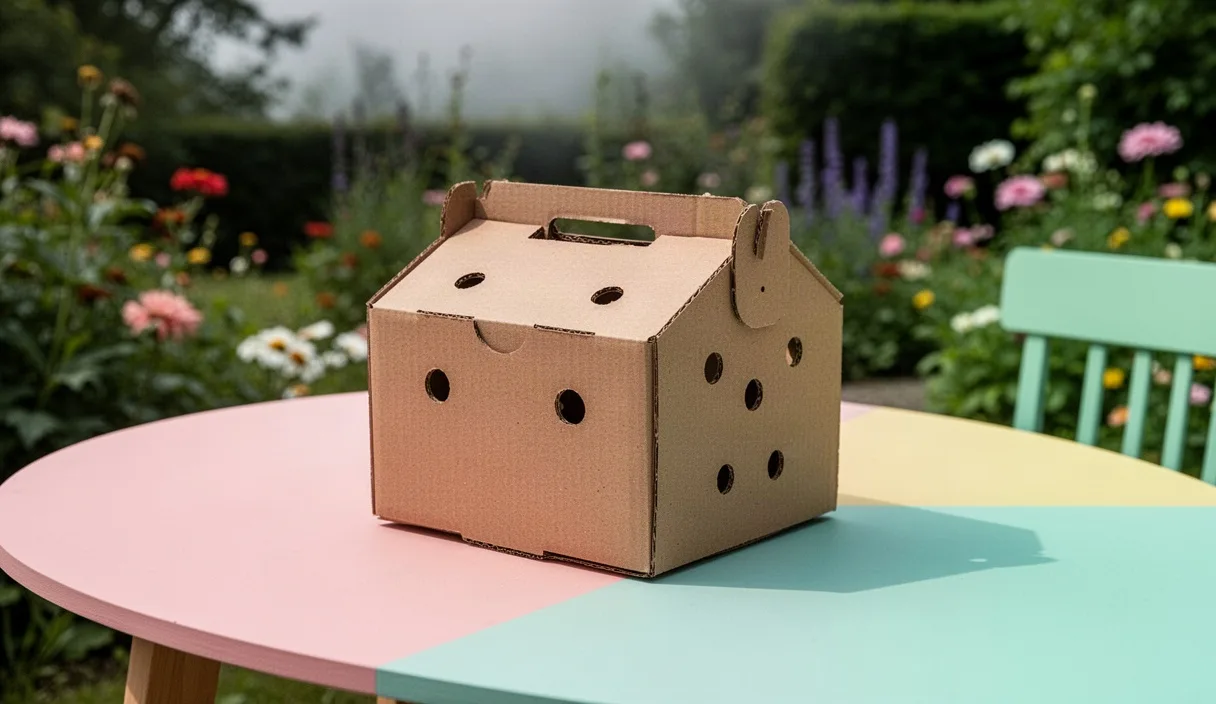
A bird on the ground is not always a bird in trouble. Some are fledglings learning to fly. Some are resting. Some are dying. The difference matters, and it changes what you do next.
This guide walks through the steps in order. Look first. Move only if needed. Call before you act on your own. Each choice affects the bird's chance to recover.
First: assess without touching
Stand back. Watch for two minutes before deciding anything.
Note the bird's posture. A bird standing upright, alert, with closed wings is often fine. A bird lying on its side, or with a wing dragging on the ground, needs a closer look.
Check the surroundings. A cat nearby changes the situation. A busy road changes the situation. A quiet backyard does not require the same urgency as a sidewalk.
Take a photo if you can, from a few feet away. This helps a rehabilitator assess the bird without you touching it first.
Signs a bird needs help versus signs it doesn't
Some signs point to injury. Others point to a normal stage of a bird's life. Confusing the two leads to unnecessary handling.
| Likely needs help | Likely does not |
|---|---|
| Visible blood or an open wound | Fully feathered, hopping, short flights |
| A wing held at an odd angle | Calling for parents nearby |
| Unable to stand or stand only briefly | Sitting quietly in one spot, alert |
| Caught by a cat or dog, even briefly | Fluffy but with some flight feathers |
| Cold, unresponsive, eyes closed | Parent bird visible or heard nearby |
A fledgling on the ground is common in late spring and early summer. It has left the nest before it can fly well. Parents usually stay close and continue feeding it on the ground.
Any contact with a cat's mouth counts as an injury, even without visible wounds. Cat saliva carries bacteria that can cause a fatal infection within a day or two. A bird in this situation needs a rehabilitator, not a wait-and-see approach.
How to safely move an injured bird
Move a bird only if it is in immediate danger or clearly injured. Otherwise, leave it where it is and observe from a distance.
- Get a box slightly larger than the bird, with a lid or a towel to cover it.
- Punch a few small air holes if using a plastic container.
- Line the bottom with a soft towel, no loose fabric strings.
- Approach slowly, from behind if possible.
- Drop a towel over the bird gently, then scoop from underneath with both hands.
- Place the bird in the box quickly, close the lid, and stop handling it.
Support the body, not just the wings or legs. A bird's ribcage is fragile. Two hands cupped around the body, wings held gently against its sides, works better than a single-hand grip.
Wash your hands after, or use gloves during. Wild birds can carry salmonella and other bacteria, even without looking sick.
If the bird bites or scratches, that is a normal defensive response, not a sign it is aggressive. Herons and raptors can cause real injury with their beaks or talons. For anything larger than a songbird, wait for a professional instead of handling it yourself.
Setting up a quiet holding space
Once the bird is in a box, the goal is stillness. Darkness and quiet calm a stressed bird faster than anything else you can offer.
Keep the box in a warm, dim, quiet room. Not a cold garage, not a noisy kitchen. Room temperature is enough for most adult birds. A nestling or featherless bird needs extra warmth, such as a heating pad set on low under half the box, never touching the bird directly.
Do not offer food or water. A stressed bird can inhale liquid into its lungs, and the wrong food can cause more harm than the original injury. Rehabilitators are trained to handle this safely; well-meaning feeding at home often is not.
Check on the bird as little as possible. Every time the box opens, the bird's stress response spikes again. One check every thirty minutes is enough to confirm it is still breathing.
Who to call and what to tell them
A licensed wildlife rehabilitator is the right first call, not a veterinarian's general line, though some vets do accept wildlife. Search for a rehabilitator by species and location, since not all facilities take all birds.
Have this information ready before you call:
- The species, or a description if you don't know it.
- Where you found the bird, as specific as possible.
- What you observed: bleeding, dragging wing, cat contact, cold body.
- How long ago you found it.
- Whether you have already moved it, and how.
If no rehabilitator answers immediately, a state wildlife agency or a local animal control office can often direct you to one. Some areas have a single regional hotline that covers many counties.
Ask directly whether they can take the bird today, and ask for driving directions or a drop-off protocol. Some rehabilitators meet at a fixed location rather than accepting home visits.
What not to do while waiting for help
A few common instincts cause more harm than good, even when the intention is kind.
- Do not give the bird water with a dropper. Birds can aspirate liquid easily.
- Do not offer bread, seed, or milk. Many species cannot digest these, and milk is not part of any bird's natural diet.
- Do not try to splint a wing yourself. An improperly set wing can heal wrong permanently.
- Do not keep checking on the bird every few minutes. Repeated handling raises stress hormones each time.
- Do not let children or pets near the box. Both add noise and unpredictable movement.
Do not assume a bird that looks calm is out of danger. Shock in a bird can look like stillness, not agitation. A quiet bird can still be in critical condition.
Common mistakes
People often try to raise a healthy-looking fledgling themselves, thinking it has been abandoned. In most cases, the parents are nearby and still feeding it.
People sometimes drive long distances to a rehabilitator without calling first, only to find the facility is full or does not accept that species that day. A phone call first saves the trip.
People leave the box in a car with the air conditioning or heater running directly on it. Indirect, stable temperature works better than a strong draft of any kind.
Next steps
If you've found a bird today: observe first, move only if necessary, keep it warm and dark, and call a rehabilitator before doing anything else.
Save a rehabilitator's number in your phone now, before you need it. A search for "[your state] wildlife rehabilitator" plus the species type is a reasonable starting point.
If you are unsure whether a bird needs help at all, a phone call describing what you see is enough. A rehabilitator can often tell over the phone whether the bird needs to come in.