 Brindlewood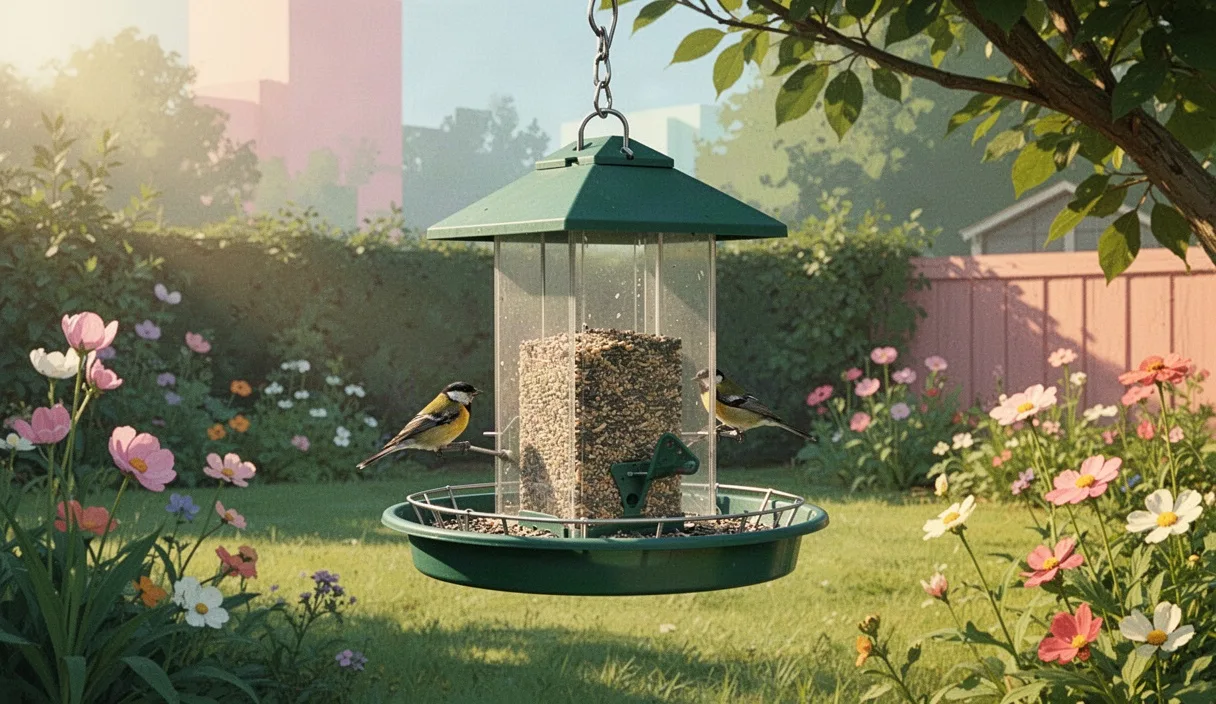
A bird feeder brings warblers and finches. It also brings hulled seed to the ground. That seed does not stay a bird problem for long.
Rodents follow food, not intention. A feeder placed with care can still spill enough to feed mice through winter. This guide covers seed choice, placement, cleanup, and the signs that mean something has moved in.
Why feeders sometimes attract more than birds
Birds are messy eaters. They toss aside seed they do not want. Sunflower seed shells, millet, and cracked corn fall to the ground under almost every feeder.
Mice and rats do not need much. A single cup of spilled seed can support a mouse for several days. Rats need more, but a yard with daily spillage gives them a reliable source.
The problem is rarely the feeder itself. It is the accumulation underneath it, week after week, left undisturbed.
Choosing seed that scatters less
Mixed birdseed bags often contain fillers birds do not eat. Milo, wheat, and some cracked corn get pushed aside and land on the ground. That waste becomes rodent food.
Sunflower seed, especially the black oil type, has a higher eat-to-waste ratio. Birds consume more of what falls. Suet cakes and nyjer seed also produce less ground debris than a generic mix.
A few habits reduce spillage further:
- Buy single-type seed instead of a mix with fillers.
- Choose no-waste blends that remove shells before packaging.
- Offer suet in a cage feeder rather than loose on a tray.
- Skip bread, table scraps, or cereal, which rot and draw rodents fast.
No seed is completely mess-free. The goal is fewer leftovers, not zero.
Feeder placement that limits ground mess
Feeder placement that limits ground mess
Where a feeder hangs matters as much as what is inside it. A feeder over grass builds a hidden layer of hulls and seed within a few weeks. Grass hides it well, which is part of the problem.
A feeder placed over a hard surface, gravel, mulch, or a paved patio, makes spillage visible and easy to sweep. Visibility helps you notice a mess before it becomes a food source.
Distance from the house also matters. Rodents that find food near a foundation may look for a way inside once the weather turns cold. A feeder ten to twenty feet from the house gives some buffer.
| Placement | Ground mess | Rodent risk near home |
|---|---|---|
| Feeder over grass, near foundation | Hidden, builds up fast | High |
| Feeder over grass, away from house | Hidden, builds up fast | Moderate |
| Feeder over gravel or patio, away from house | Visible, easy to clean | Low |
A tray or seed catcher attached below the feeder also helps. It will not stop every seed from falling, but it collects a good share, and it can be emptied on a schedule.
Daily and weekly cleanup habits
Cleanup is the part most people skip, and it is the part that matters most. A feeder with careful placement still needs regular attention underneath it.
A short daily check works well. Look at the ground below the feeder. If hulls or seed have piled up, sweep or rake them into a bag. This takes two or three minutes.
A deeper weekly clean covers more ground:
- Remove the feeder and empty any leftover seed that looks damp or moldy.
- Rake the area beneath it, pulling debris out from under any nearby shrubs.
- Wash the feeder with warm water and a stiff brush, then let it dry fully before refilling.
- Check the seed catcher tray, if one is installed, and empty it into a sealed compost bin or the trash, not onto the lawn.
Seed storage matters too. Keep bags in a metal or thick plastic bin with a tight lid, not in a paper sack in the garage. A paper sack is an open invitation.
Signs of rodent activity to watch for
Rodents leave traces before they become a visible problem. Catching these early gives you time to adjust the setup.
Look for these signs near the feeder and along the base of the house:
- Small tunnels or shallow burrows in mulch or soil near the feeder base.
- Droppings, which look like dark grains of rice, scattered near cover such as woodpiles or dense shrubs.
- Gnaw marks on the feeder pole, wood fencing, or nearby plastic bins.
- Greasy rub marks along a fence line or foundation wall, left by repeated travel along the same path.
- A sudden drop in bird visits, which sometimes happens when rodents dominate a feeding area at night.
If you see two or more of these signs, treat it as an early warning, not a confirmed infestation. Increase cleanup frequency and consider moving the feeder to a new spot for a few weeks.
If droppings, burrows, or gnaw marks show up near the house itself rather than just near the feeder, that is a different situation. A pest control professional can check for entry points and nesting inside walls or attics. This is not something to diagnose alone once it reaches the structure of the house.
When to pause feeding for a season
Supplemental feeding is not required for bird survival in most regions. Wild birds find natural food sources through spring, summer, and fall.
Rodent activity tends to rise in late summer and early fall, when wild food is less available and animals prepare for colder months. Pausing feeder use during this window removes a reliable food source at the exact time rodents are searching hardest for one.
A pause does not need to be permanent. Some households stop feeders for four to six weeks in early fall, clean the area thoroughly, then resume once the ground has been clear for a few weeks with no new activity.
Winter feeding, once snow covers natural food, is lower risk in most climates because rodent activity slows with the cold. Spring feeding during nesting season is generally fine as well, as long as cleanup stays consistent.
Common mistakes
A few patterns show up again and again in yards with rodent problems near feeders.
- Buying the cheapest mixed seed, which contains the most filler and produces the most waste.
- Letting seed sit on the ground for weeks because the mess is hidden by grass.
- Storing extra seed in the original paper bag inside a garage or shed.
- Placing the feeder directly next to the house, closer than five feet.
- Assuming a squirrel baffle also stops mice, when it does not address ground spillage at all.
Next steps
Start with the seed itself. Switch to a single-type, low-waste seed if the current bag is a mixed blend with fillers.
Move the feeder if it currently sits over grass or close to the house. A spot over gravel or a patio, ten to twenty feet from the foundation, is a reasonable target.
Set a recurring weekly reminder for a full cleanup, and a quick daily glance at the ground below the feeder. Keep a bag of unsalted, unbuttered sunflower seed sealed in a hard-sided bin, not a paper sack.
If signs of rodent activity appear near the house rather than just near the feeder, contact a local pest control service for an inspection. A short pause in feeding during late summer or early fall is a reasonable precaution in most regions, even without confirmed activity.