 Brindlewood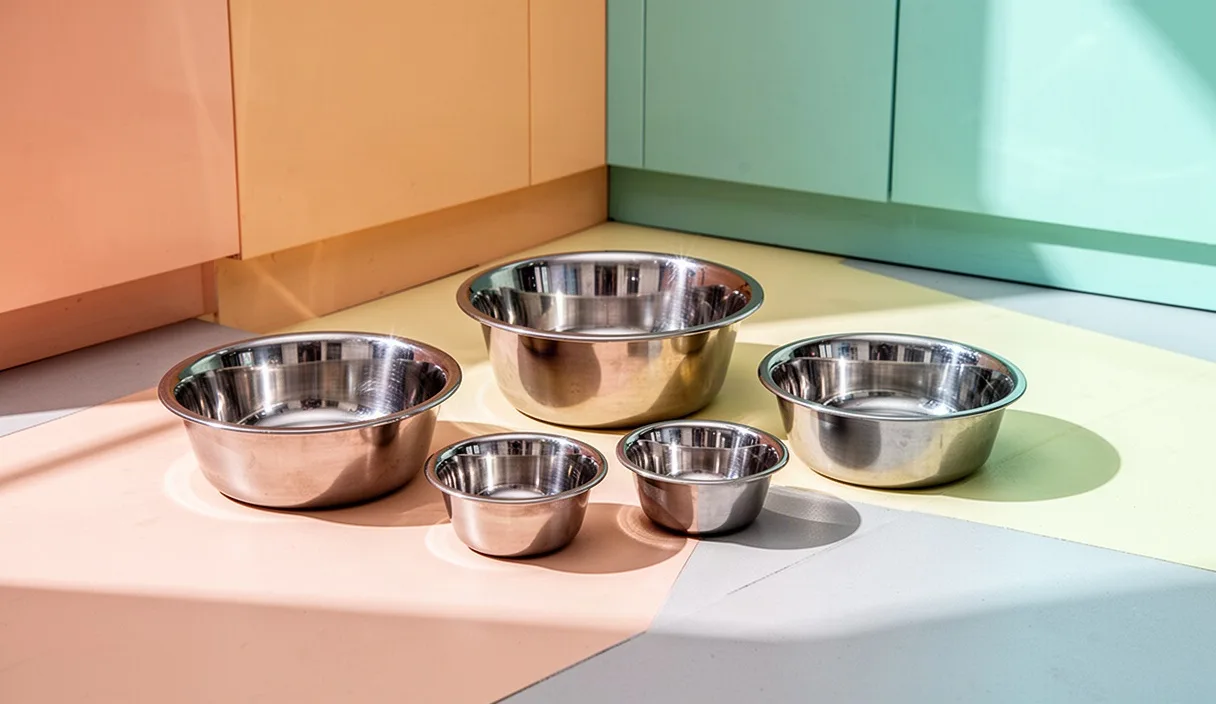
Water looks simple. One bowl, one source, done.
Multi-pet homes change that math. More animals means more competition, more territory, more chances for one pet to avoid the bowl entirely. The setup that works for a single cat rarely works for three cats and a dog.
Why multi-pet homes need a different setup
A single water bowl creates a single point of failure. If one animal guards it, others drink less. This happens quietly, without growling or drama. A cat simply stops approaching the bowl when another cat is nearby.
Dogs and cats also drink differently. Dogs tend to gulp, splash, and move on. Cats sip slowly and prefer stillness around them while they do it. Put both species at one shared bowl and the cat often loses.
Age and mobility matter too. An older dog with joint pain may avoid a bowl on a slick floor across the house. A kitten may avoid a bowl that's too deep or too close to a louder, larger housemate's favorite spot.
The fix isn't one better bowl. It's a different arrangement of bowls, matched to how many animals share the space and how they move through it.
Material comparison: steel, ceramic, plastic
Material affects hygiene, weight, and how a bowl behaves in a busy household. In multi-pet homes, weight matters more than people expect. A light bowl gets pushed, tipped, or dragged across the floor by an eager drinker, and then no one drinks from it until someone notices.
| Material | Hygiene | Stability | Notes for multi-pet use |
|---|---|---|---|
| Stainless steel | Easy to clean, resists bacteria buildup | Light unless weighted base | Best paired with a rubber-bottomed or weighted design |
| Ceramic | Easy to clean, can chip and harbor bacteria in chips | Heavy, stays put | Good for slow drinkers, check for cracks weekly |
| Plastic | Scratches easily, scratches hold bacteria | Light, tips easily | Hardest to keep clean in a shared household |
Plastic is common because it's cheap and unbreakable. In a one-pet home, that's a fair trade. In a multi-pet home, plastic scratches faster because more mouths and paws touch it more often. Those scratches trap bacteria that plain washing doesn't fully remove.
Ceramic solves the tipping problem through sheer weight, but it can chip along the rim. A chipped edge is a small thing until it isn't, a cracked bowl can split during a normal wash cycle. Check ceramic bowls by running a finger along the rim once a week.
Stainless steel is the middle ground most multi-pet households land on. It doesn't hold odor the way plastic does, and a rubber-gripped or weighted base keeps it from sliding when three animals are drinking on rotation.
Bowl size versus number of bowls
A common assumption is that one large bowl solves the problem of multiple pets. In practice, one large bowl is still one location, and location is often the real issue, not volume.
The general guideline used by many vets is one water source per pet, plus one extra, placed in different areas of the home. For a household with two cats and one dog, that means three to four water points, not one big bowl in the kitchen.
- Two cats and one dog: at least three separate water locations
- Three cats: at least four separate water locations
- One dog and one cat: two locations minimum, kept apart from each other
Bowl size still matters, but mostly for dogs. A large dog can empty a small bowl in one long drink, so a one-quart bowl might need refilling twice a day. For cats, size matters less than shape, a wide, shallow bowl that doesn't touch their whiskers is usually preferred over a deep, narrow one.
The mistake to avoid is treating bowl count as a math problem only. Two bowls sitting six inches apart in the same kitchen corner still function as one location to a cat that's avoiding another animal. Distance between bowls matters as much as the number of bowls.
Where to place water in a shared home
Placement decides whether a bowl actually gets used. A bowl in a hallway that the dog patrols all day will go untouched by a nervous cat, no matter how clean or full it is.
Good placement usually follows a few patterns:
- Away from food bowls, cats especially prefer water separated from where they eat
- Away from litter boxes, for obvious hygiene reasons
- In quiet corners with two exits, so a smaller or shyer pet doesn't feel trapped
- On more than one floor level, if the home has stairs and older pets
- Near resting spots, since many pets drink right after waking
In homes with a dominant animal, that pet's habits often reveal themselves through where it chooses to lie down. If the dog naps at the base of the stairs, a bowl there will likely become the dog's bowl by default, and other pets will avoid it. Placing an additional bowl upstairs or in a separate room gives quieter animals a real choice.
A practical way to check placement is to observe for a week without changing anything. Notice which bowls sit full and untouched, and which ones empty fast. That pattern usually points to where a new bowl is needed, or where an existing one should move.
Cleaning frequency for shared bowls
Shared bowls collect more debris, more saliva, and more bacteria simply because more mouths use them. A bowl that one cat could use for two days without much buildup will need daily attention when three animals rotate through it.
A basic schedule for multi-pet homes:
- Rinse and refill water once a day, more often in warm weather
- Wash with soap and hot water every two to three days
- Check for a biofilm layer, a slightly slimy feel on the inside walls, and scrub it off by hand since rinsing alone won't remove it
- Run steel or ceramic bowls through a full wash cycle in the dishwasher weekly if they're dishwasher safe
Biofilm is the main hidden problem in shared bowls. It builds faster with more saliva contact and isn't always visible, but it's usually felt as a faint slipperiness when you run a finger along the bottom of the bowl. Left alone, it can affect how willing a pet is to drink from that bowl at all.
Automatic water fountains, common in multi-cat homes, need their filters checked weekly and the motor housing cleaned monthly. Filters clog faster with more animals drinking from them, and a clogged filter can slow water flow enough that some cats stop using the fountain.
Signs the current setup isn't working
Some signs are obvious. Others take a week or two of quiet observation to notice.
- One pet drinks quickly and walks away as soon as another animal approaches
- A bowl in a shared space stays consistently full while others empty fast
- A cat drinks from the toilet, the sink, or a dripping tap instead of its bowl
- A dog paws at or tips the bowl before drinking
- Dry, tacky gums or noticeably less urine in the litter box, which can point to reduced water intake
Any sudden drop in how much a pet is drinking, or the opposite, a sudden increase in thirst, is worth mentioning to a veterinarian. Water intake changes can reflect behavior and setup, but they can also reflect a health issue that has nothing to do with the bowl. A vet visit rules that out before assuming it's purely a placement or competition problem.
Common mistakes
A few patterns show up again and again in multi-pet homes.
- Buying one attractive bowl instead of several plain ones spread through the home
- Placing all water sources on the same floor of a multi-level house
- Assuming a full bowl means every pet is drinking from it
- Cleaning on a schedule built for a single pet, not a shared one
- Ignoring a bowl that stays untouched, instead of asking why
Next steps
Start by counting current water sources and comparing that number against the guideline of one per pet plus one extra. Add bowls before changing anything else.
Spend a week watching which bowls actually get used, without moving them yet. Then move the ones that sit full and untouched to quieter, more separated spots.
Switch to steel or ceramic if plastic bowls are currently in use, and set a simple cleaning day on the calendar, every two to three days for washing, daily for a fresh refill. If a pet's drinking habits change suddenly, in either direction, a call to the vet is the right next move before adjusting the bowls further.